RED BULL FROM ½ PALLET · FREE UK SHIPPING FROM 1 PALLETWhatsApp +44 7999 150302 ↗

Red Bull Original vs Sugarfree vs Editions: A UK Retailer’s Stocking Guide
Original, Sugarfree, Zero or Editions? A practical Red Bull stocking guide for UK retailers, with a sample sales mix, stock tracking and wholesale ordering tips.

Choosing Red Bull flavours for retailers is not about filling every fridge shelf with the latest can. A good range gives customers a familiar option, a choice without sugar and one or two flavours worth trying—without leaving you with expensive cases that barely move. That balance matters especially to independent shops, where chilled space and cash tied up in stock are limited.
For most stores, Red Bull Original is a sensible starting point, but it should not be the whole range. Sugarfree and Zero answer different preferences, while the Editions can give shoppers a reason to try something new. The mix that works for a busy commuter shop may not suit a neighbourhood convenience store, so the useful approach is to start with a manageable range and let your own till data decide what earns more space.
Red Bull flavours for retailers: understand the core range first
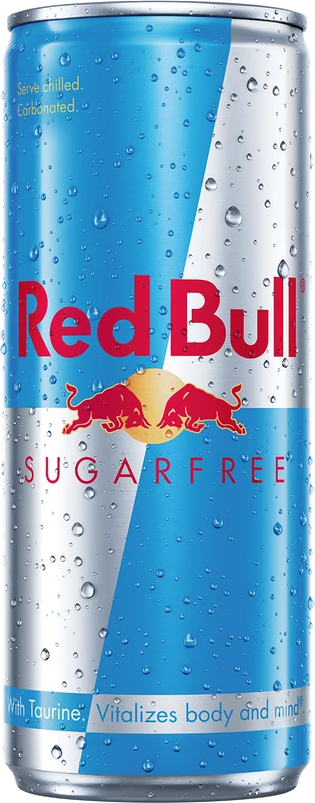
Original is the familiar blue-and-silver can. Sugarfree is a no-sugar option with its own taste; Zero is also made without sugars but uses a different sweetener combination and tastes different from Sugarfree. They are not interchangeable simply because both say “zero” or “sugarfree”. Red Bull explains this distinction in its official comparison of Zero and Sugarfree. Retailers should always check current can labels when describing ingredients, nutritional information and high-caffeine warnings to customers.
| Range | Why a retailer might stock it | What to monitor |
|---|---|---|
| Red Bull Original | Recognisable classic option for shoppers asking for standard Red Bull | Weekly units sold and how often you sell out |
| Red Bull Sugarfree | Choice for shoppers who prefer Red Bull without sugar | Repeat purchases compared with Original |
| Red Bull Zero | Another no-sugar choice, with a different taste from Sugarfree | Whether it attracts distinct demand or overlaps in your shop |
| Red Bull Editions | Flavoured alternatives that add variety to the chiller | Which flavours gain repeat sales, not just first-week curiosity |
There is a reason to give Original a meaningful share of your display, rather than treating every flavour equally. Better Retailing’s March 2026 analysis, based on its 2025 What to Stock research, identified Red Bull Original 250ml as the highest average weekly profit line in its surveyed convenience-store selection. That is useful context, not a promise that Original will outperform every other can in your particular shop. Your customer base, selling price and available space still matter.
Which Red Bull Editions deserve a place in your fridge?
Red Bull Editions are flavoured versions of the drink. The UK range includes examples such as Blue Edition (Juneberry), Red Edition (Watermelon), Peach Edition (White Peach) and Green Edition (Curuba and Elderflower), while seasonal choices change over time. Some Editions also have sugarfree counterparts. You can verify current product naming on Red Bull’s official UK Editions page; it is worth checking this periodically because releases and flavour names change.
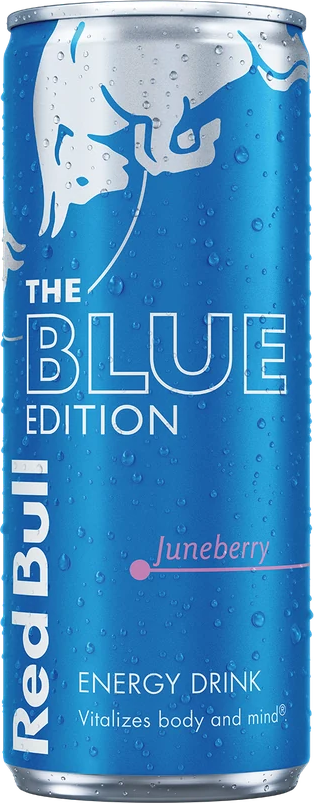
Rather than choosing five new flavours because their cans look good together, try a small number that offer genuinely different tastes. A berry flavour and a peach or tropical-style flavour are a more useful first test than several near-identical options. If customers ask specifically for an Edition, record the request, but treat it as an indication rather than a guaranteed sale. Seasonal and limited lines can bring attention to a chiller, yet the retailer still carries the risk if stock outlasts its local appeal. Always confirm that the specific Edition, pack size and batch are available before advertising it.
Build a starting stock mix without pretending every shop is the same
Imagine a shop that currently sells around 100 Red Bull 250ml cans in a typical week and has no reliable flavour-by-flavour history. The following is an illustrative demand forecast—not UK market-share data, an official Red Bull recommendation or a suggested full-pallet breakdown. It simply gives a shop owner a starting framework to test against real sales.
| Illustrative weekly sales mix | Cans | Share |
|---|---|---|
| Original | 50 | 50% |
| Sugarfree | 25 | 25% |
| Zero | 10 | 10% |
| Two Editions combined | 15 | 15% |
| Total | 100 | 100% |
Keep a simple weekly record of opening stock, deliveries and closing stock for each SKU, then count units sold. After two to four weeks, shift more fridge space towards flavours that repeatedly sell out, reduce space for those that linger, and keep checking whether a new Edition brings genuinely additional sales. Buying in wholesale cases means your replenishment may not match the percentages exactly. Use this mix to guide display and demand planning, not to assume a supplier will break cases or assemble a custom pallet in those proportions.
Plan the wholesale order around the way the stock will sell
TRIMAYU’s Red Bull wholesale page sets out the listed 250ml range and pallet-oriented buying options. In the standard 24-can format shown on the site, 108 cases amount to 2,592 cans, but that configuration should not be assumed for every Edition, price-marked format or separate supply arrangement. Ask for the precise cases-per-pallet figure, remaining shelf life, pack language, price marking and available flavour combinations. If you have limited storage or are trialling Editions, ask whether a mixed pallet is possible rather than assuming it is included.
For an actual buying decision, look beyond the shelf appeal of each flavour: the landed cost per can depends on the case price, transport and any agreed unloading charges. Our Red Bull pallet cost guide shows how those charges alter the true unit cost. Also consider which stock can be sold in time: a headline discount on a slow-moving flavour may be worth less than reliable availability of the products that customers regularly pick up.
A practical next order starts with a short, accurate list
Make a note of your most requested Red Bull variants, your current weekly sales, your preferred 250ml case format and whether you need Original-only or mixed flavours. Include your postcode and whether a forklift or suitable unloading point is available. Once you have those details, request a Red Bull wholesale quotation from TRIMAYU for the quantities you can realistically stock. The team can confirm current flavours, pallet packing and delivered charges before you commit. A smaller, better-balanced choice of SKUs is often more useful to your business than a long list of Editions that looks impressive but never turns into repeat sales.