RED BULL FROM ½ PALLET · FREE UK SHIPPING FROM 1 PALLETWhatsApp +44 7999 150302 ↗

Coca-Cola 330ml Cans vs 500ml Bottles: What Should UK Retailers Stock?
Should UK retailers stock Coca-Cola 330ml cans or 500ml PET bottles? Compare margins, shelf space, chiller sales and 2026's new 500ml can format.

Most small shops don’t have unlimited room in the drinks fridge, so choosing between Coca-Cola 330ml cans vs 500ml bottles is more than a question of which pack costs less. A 330ml can may suit a quick lunch, a meal deal or a customer who wants a smaller drink. A resealable 500ml PET bottle can suit someone who expects to carry it around and finish it later. Both formats can earn their place, but the right balance depends on the people who actually shop with you.
Before adding another case to your next wholesale order, compare how much each unit costs after delivery, what price your customers will accept, how quickly it sells and how much space it occupies. This guide explains how to make that decision without treating a national trend as a promise of sales in your individual store. It covers the familiar 330ml aluminium can and 500ml plastic bottle; it also explains the newer 500ml can, which makes specifying packaging particularly important in 2026.
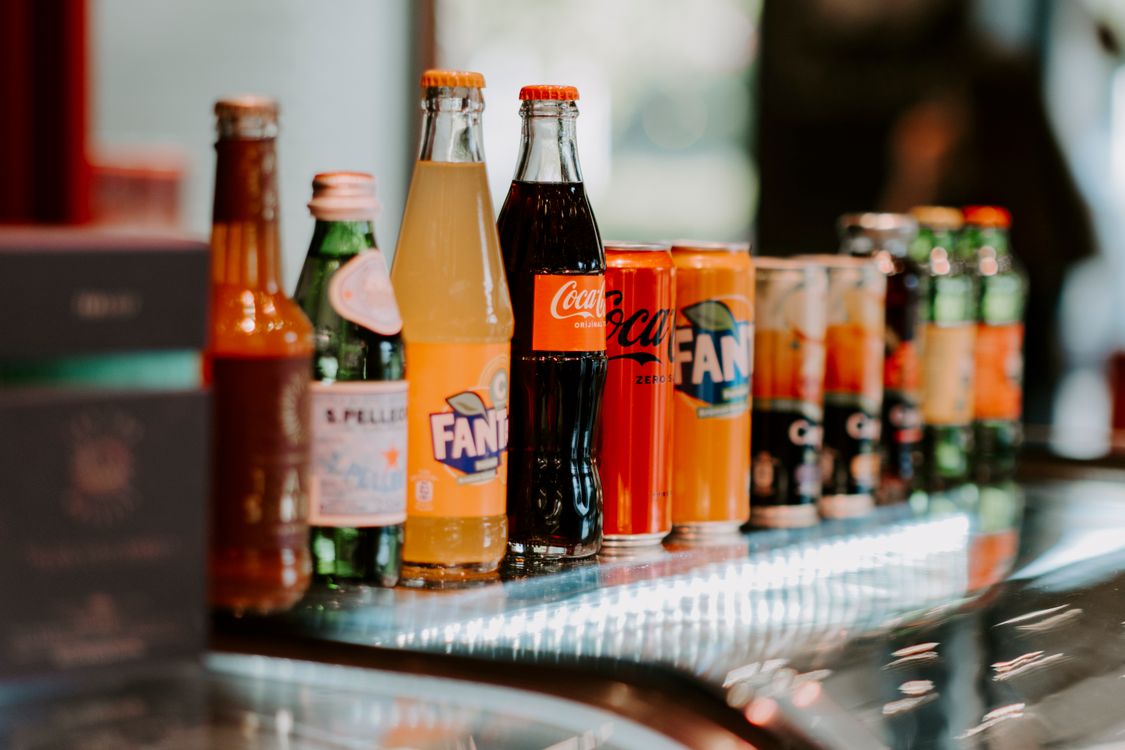
Coca-Cola 330ml vs 500ml: the practical differences
The smaller can is a straightforward single serving. It can work well where people are picking up a sandwich, snack or a drink to enjoy immediately. A 500ml PET bottle has around 52% more liquid than a 330ml can and the resealable cap is convenient for commuters or customers who want to take a few sips and put it away. Neither format is automatically the better seller. Your chiller should reflect shopping occasions: a high lunchtime trade might justify more cans, while a store serving drivers and commuters may see steady demand for bottles.
| Buying consideration | 330ml aluminium can | 500ml PET bottle |
|---|---|---|
| Liquid in each unit | 330ml | 500ml |
| Opening and closing | Pull-tab; not resealable | Screw cap; resealable |
| Typical retail occasion to test | Lunch, meal deal, smaller single serve | Travel, longer on-the-go use, larger single serve |
| 24-unit case liquid total | 7.92 litres | 12 litres |
| What the retailer must confirm | Case size, price marking, unit cost | Case size, bottle/label version, unit cost |
The table compares drink quantity, not physical pallet weight or chiller capacity. Bottles and cans occupy different shapes of space, and shrink-wrap or trays alter how cases stack. Some wholesalers sell 12-unit bottle cases, 24-unit bottle cases or multipacks rather than single loose units. Always check what the case actually contains before comparing the number printed on a price list.
Don’t confuse the 500ml bottle with Coca-Cola’s newer 500ml can
Coca-Cola Europacific Partners introduced a 500ml Supercan in Great Britain in March 2026, initially including Coca-Cola Original Taste, Zero Sugar and Diet Coke. By September, the 500ml can concept had expanded into other brands in the portfolio. That means “500ml Coke” no longer tells a wholesaler whether you want a PET bottle or an aluminium can. In its September 2026 trade announcement, CCEP explicitly described larger cans as an additional chiller option rather than a replacement for bottles. Read CCEP’s September 2026 announcement for its description of the format and launch. If a quotation, order form or invoice simply says “Coca-Cola 500ml”, ask for the container type and the exact SKU before accepting it.
Calculate the real profit from each pack—not just the case price
Suppose a supplier offers a hypothetical 24 × 330ml case at £12 excluding VAT and a hypothetical 24 × 500ml PET case at £19.20 excluding VAT. That works out at 50p per can versus 80p per bottle. It would be a mistake to conclude that the cheaper can is always the better retail purchase: the bottle contains more drink and may command a higher shelf price. It would be equally unwise to assume the larger bottle automatically delivers more margin. These numbers are deliberately invented for illustration; they are not TRIMAYU wholesale prices or offers.
| Illustrative comparison | 24 × 330ml cans | 24 × 500ml PET bottles |
|---|---|---|
| Hypothetical case cost, ex VAT | £12.00 | £19.20 |
| Goods cost per unit, ex VAT | £0.50 | £0.80 |
| Goods cost per litre, ex VAT | About £1.52 | £1.60 |
| Illustrative shelf price, inc 20% VAT | £1.20 | £1.80 |
| Net sale value per unit, ex VAT | £1.00 | £1.50 |
| Gross profit per unit, before delivery and overheads | £0.50 | £0.70 |
| Gross margin, before delivery and overheads | 50.0% | 46.7% |
Here the bottle delivers more gross profit per sale but a lower percentage margin. Which is preferable depends on the weekly units sold and the space each format uses. Remember that standard UK VAT applies to carbonated cola; for a VAT-registered business able to reclaim input VAT, the relevant comparison usually uses ex-VAT buying and selling values. HMRC’s VAT Notice 701/14 sets out the treatment of soft drinks. Add any attributable freight, handling and unsaleable stock to the buying-cost side before making a final margin decision. Your own VAT status and accounting arrangements may differ. For more on margin versus markup, see our wholesale drinks profit-margin guide.
Chiller space, shelf labels and the four-week stock test
Rather than filling half your fridge with one format because it looks popular nationally, test both formats in a way you can measure. Start with the amount of space available and identify the lines people already ask for: Original Taste, Zero Sugar and perhaps Diet Coke. Give your proven lines priority and put a modest number of cases of the alternative format on test. If your store has a lunchtime rush, try both formats near meal-deal products where permitted by your layout; if you’re near a station or forecourt, observe whether customers pick up bottles for the journey. Pay attention to what shoppers ask for when a line is out of stock, not just what they eventually settle for.
Once a week, record units sold, selling price, units left and days out of stock for each SKU. Divide units sold by the number of chiller facings or amount of space allocated to see whether one format makes better use of valuable display room. For example, if 330ml cans sell 72 units from two facings in a week and 500ml bottles sell 48 units from two facings, the cans move faster per facing—but you still need to compare their profit per unit. In the hypothetical pricing example above, that would be £36 gross profit from the cans versus £33.60 from the bottles, before freight and operating costs. That is more informative than announcing that one format is the winner after seeing a single busy Saturday.
Case presentation matters as well. A price-marked bottle or can can create a clear customer price expectation, so the price printed on the pack needs checking before you approve the order. TRIMAYU’s price-marked versus non-price-marked packs guide explains why pack marking should form part of a wholesale specification rather than be treated as a minor detail.
Packaging and the October 2027 deposit-return changes
Packaging is also an operational issue. Coca-Cola says its Great Britain plastic bottles of 500ml or less use 100% recycled plastic for the bottle body, excluding cap and label, and the company has introduced attached caps on 500ml bottles. Looking ahead, government policy is to introduce deposit-return arrangements in England, Scotland and Northern Ireland in October 2027, covering qualifying single-use PET, steel and aluminium drinks containers from 150ml to 3 litres. That would bring both a 330ml aluminium can and a 500ml PET bottle within the stated material-and-size scope. Implementation details, obligations and arrangements vary across nations and can change, so retailers should follow the government’s current deposit-return guidance rather than assuming the final rules from a general article.
The immediate buying lesson is simpler: check the format, packaging and batch details on each offered product. Do not use an older catalogue image as proof of the label or bottle type that will arrive. Ask your supplier to confirm the actual case, total units and any relevant pack marking before the consignment is dispatched.
Which Coca-Cola format should your shop buy next?
There is no universal answer. A convenience store with dependable lunchtime can sales may start by protecting those core facings, while a forecourt with strong on-the-go bottle sales may put more space into 500ml PET. In either case, compare weekly gross profit per SKU, stock turnover and chilled-space productivity rather than relying on the headline wholesale case price. And remember that the new 500ml can is a third option: a buyer who asks for “500ml Coca-Cola” needs to specify whether the requested stock is in PET or aluminium.
For any trade enquiry, write down the exact brand variant, container type, 330ml or 500ml size, units per case, desired number of cases, delivery postcode and receiving requirements. If you need to discuss a specific soft-drinks supply requirement with TRIMAYU, you can submit those details through the wholesale quotation form. Product availability, eligible quantities, packaging and prices must be confirmed before an order is agreed; this guide does not represent an offer of a particular Coca-Cola SKU.
[…] similar package formats when measuring brand preference, and consider format demand separately. Our 330ml can versus 500ml bottle guide explains how serving size and packaging affect chilled display […]