RED BULL FROM ½ PALLET · FREE UK SHIPPING FROM 1 PALLETWhatsApp +44 7999 150302 ↗

Pepsi Max vs Coca-Cola Zero: Which Should UK Convenience Stores Stock?
Pepsi Max or Coca-Cola Zero for your UK convenience store? Compare 2026 UK research, ingredients, 24-can case economics and a practical chiller test.

Market and product information reviewed: 12 November 2026.
In a small convenience store, fridge space has to earn its keep. That is why the question of Pepsi Max vs Coca-Cola Zero is more useful than simply asking which cola is more popular in Britain. Both give customers a familiar sugar-free choice, both have strong national recognition and both appear in UK wholesale case formats. Yet a drink that performs well nationally might still move slowly in a shop where local customers prefer the alternative. The right buying decision comes down to customer demand, landed cost and how much gross profit each facing brings into your store.
The latest UK research gives retailers a credible place to start. It also needs careful interpretation: a survey about brands people consider buying is not the same as actual till sales, and figures for the whole grocery market are not a reliable forecast for your particular corner shop. This guide uses both kinds of evidence, explains what is genuinely different about the drinks and shows a practical way to decide what to stock next.
Pepsi Max vs Coca-Cola Zero: what the 2026 UK research actually shows
YouGov’s October 2026 analysis found that Pepsi Max was the most-considered cola brand among UK adults. Its reported consideration score was around 26%, compared with approximately 22% for Coca-Cola Zero. That is a meaningful signal of brand interest, but it does not say one in four people will buy Pepsi Max in your shop. Brand consideration measures willingness to consider a purchase, not a confirmed transaction, retailer margin or local rate of sale.
A different piece of evidence comes from the NIQ figures reported by Talking Retail in September 2026. Across the wider UK grocery sector, in the 52 weeks ending 13 June 2026, Pepsi Max recorded approximately £850 million in sales, an increase of 6.7%, while Coca-Cola Zero recorded approximately £479 million, up 3.8%. These figures cover a wider market than independent convenience stores and are sales values rather than unit counts. They support the view that both are important products with different momentum; they don’t establish a universal shelf allocation.
| 2026 evidence | Pepsi Max | Coca-Cola Zero | What it tells a retailer |
|---|---|---|---|
| YouGov UK adult brand consideration | About 26% | About 22% | Interest in buying, not verified shop sales |
| NIQ UK grocery sales value, 52 weeks to 13 June | About £850m | About £479m | National sales scale, not your shop’s performance |
| NIQ year-on-year sales value change | +6.7% | +3.8% | Both grew; growth alone doesn’t determine your margin |
Sources: YouGov, 15 October 2026; NIQ figures reported by Talking Retail, 16 September 2026. The measurements differ and should not be combined into a single market-share calculation.
What is actually different about the two drinks?
For a buyer comparing the standard UK products, the headline nutritional difference is smaller than the branding suggests. Pepsi’s official UK product page lists 0g sugar per 100ml for standard Pepsi Max; Coca-Cola’s UK product page also lists 0g sugar per 100ml for Coca-Cola Zero Sugar. Both standard versions include caffeine and use sweeteners, including aspartame and acesulfame K, although the full ingredient lists are not identical. Packaging, recipes and promotional variants can change, so the exact UK or imported-market label offered by a supplier is the final reference.
Don’t confuse the regular drinks with separate caffeine-free products. Pepsi offers Pepsi Max Caffeine Free, while Coca-Cola offers Coca-Cola Zero Sugar Zero Caffeine. Those names matter on a wholesale enquiry: “Pepsi Max”, “Pepsi Max Caffeine Free” and “Pepsi Max Cherry” are not interchangeable stock lines. The same applies to Coca-Cola Zero variants. It’s safer to identify the exact flavour, caffeine version, can size and case format than to submit a vague request for “zero cola”.
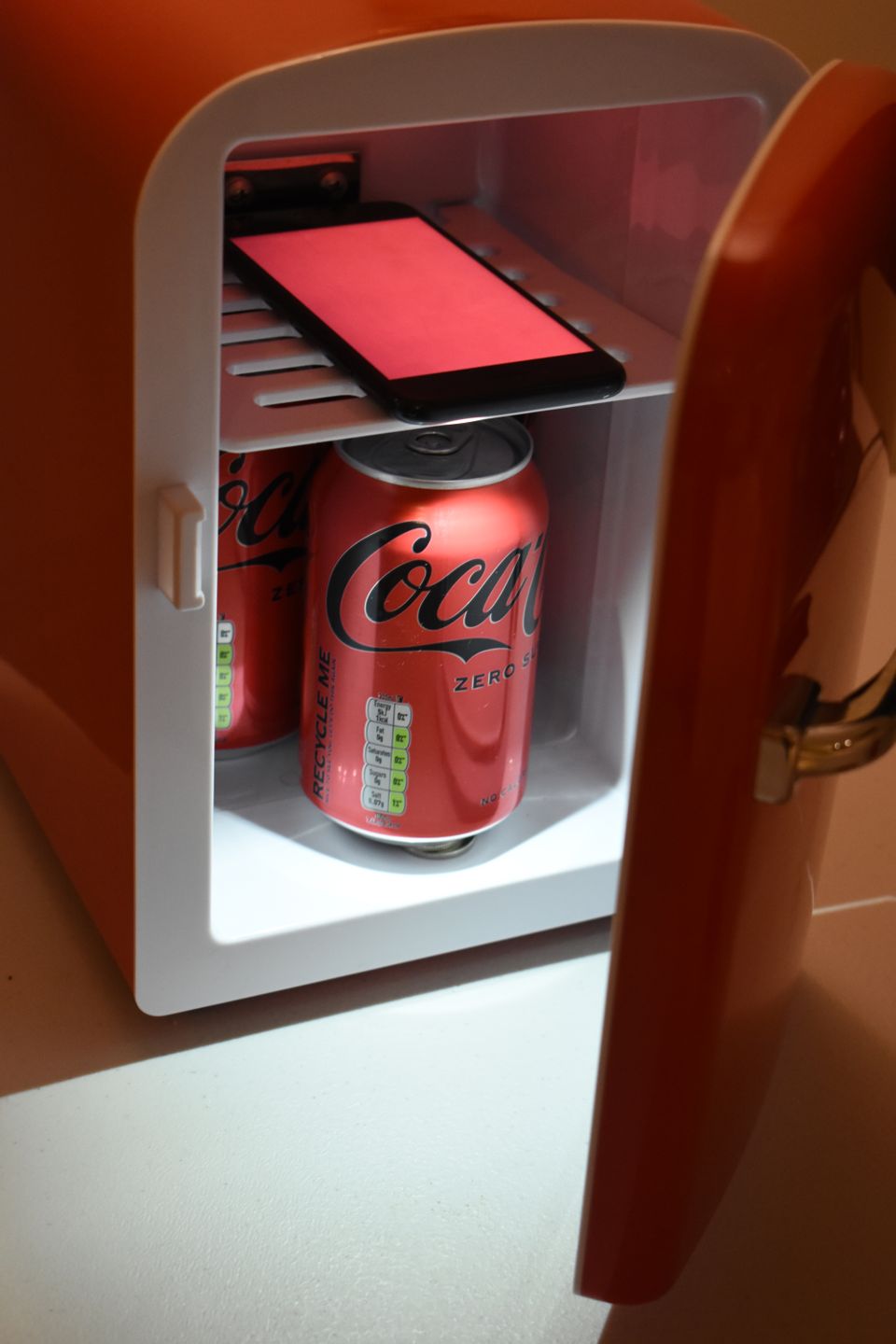
The commercial question is not whether either product is “healthier” by virtue of being sugar-free. For a retailer, both belong in a competitive no-sugar cola segment. What matters is the number of customers choosing each product, the actual cost of replenishing it and whether the can or bottle format suits your store’s most common shopping trips.
Compare 24-can case costs on the same basis
UK wholesalers list both Pepsi Max and Coca-Cola Zero in 24 × 330ml can formats, but the same brand may also appear in multipacks, price-marked packs, larger bottles or imported-market versions. For example, UK trade listings show Pepsi Max in 24 × 330ml cases and Coca-Cola Zero in 24 × 330ml cases. Those listings establish that the format exists; they are not a claim about TRIMAYU’s current prices or inventory.
To compare profit fairly, use the landed cost per can: the case price excluding reclaimable VAT, plus any attributable freight or handling, divided by the number of saleable cans. Then compare that with the selling price excluding VAT for a VAT-registered retailer able to reclaim input VAT. Soft drinks such as cola are ordinarily subject to standard-rate VAT; HMRC’s food-products VAT notice explains the rules. Zero sugar does not mean VAT-free. Retailers who aren’t VAT-registered should use their actual cash-cost and sales figures, with appropriate accounting advice.
| Illustrative retailer calculation | Pepsi Max 330ml | Coca-Cola Zero 330ml |
|---|---|---|
| Hypothetical case cost, 24 cans, ex VAT | £9.60 | £10.80 |
| Goods-only unit cost | £0.40 | £0.45 |
| Hypothetical delivery allocation per can | £0.05 | £0.05 |
| Landed cost per can, ex VAT | £0.45 | £0.50 |
| Illustrative shelf price, inc 20% VAT | £1.20 | £1.20 |
| Net selling price, ex VAT | £1.00 | £1.00 |
| Gross profit per sale, before overheads | £0.55 | £0.50 |
| Gross margin, before overheads | 55% | 50% |
Every price in this table is hypothetical. The two case prices, delivery allowance and shelf prices are examples to demonstrate the calculation, not verified current offers, manufacturer recommended prices or TRIMAYU quotations. If the actual delivered costs were reversed, the profit result could reverse too. A higher margin on paper is not enough to decide the winner: the drink has to sell. For a deeper explanation of gross margin versus markup, see our UK wholesale drinks profit-margin guide.
The two-week chiller test is more useful than a national winner
For a shop that already stocks both brands, the simplest improvement is a controlled two-week comparison. Give Pepsi Max and Coca-Cola Zero a reasonable amount of comparable chilled space at the same can size. Keep a record of opening stock, cases received, closing stock, any damaged cans, days out of stock and till sales. If one product has a promotion, a price-marked pack or substantially more eye-level space, note it: you may be measuring the effect of merchandising rather than an underlying preference for the drink.
Suppose an illustrative store sells 48 Pepsi Max cans and 36 Coca-Cola Zero cans over a week. Under the purely hypothetical margins shown above, that would produce £26.40 in gross profit from Pepsi Max and £18 from Coca-Cola Zero, before business overheads. That does not prove Pepsi Max should take all the shelf space. Repeat the test, compare profit per facing, check whether either product was unavailable and ask whether removing one would simply push shoppers to a competitor or cost you a sale. A balanced range can sometimes be worth more than maximising the fastest seller alone.
The shopper’s occasion also matters. A 330ml can picked up alongside a meal deal is a different purchase from a resealable 500ml bottle bought for a journey. Compare similar package formats when measuring brand preference, and consider format demand separately. Our 330ml can versus 500ml bottle guide explains how serving size and packaging affect chilled display decisions.
Look closely at price marking, flavour variants and case quantities
Before placing a wholesale order, find out whether the stock is price-marked, unmarked, a retail multipack or a standard trade case. A 24-can case isn’t necessarily 24 loose cans intended to be presented individually; packaging and barcodes matter. A price printed on the can can influence how much flexibility you have at the till, while a multipack marked “not to be sold separately” needs to be treated according to the actual packaging and relevant rules. Check the offered label and your intended resale use, not a generic product photo. TRIMAYU’s price-marked versus non-price-marked pack guide provides a useful buying checklist.
Flavoured zero-sugar colas can earn a place once the core product is moving reliably. Pepsi Max Cherry or Lime and Coca-Cola Zero Cherry or Lime might suit different audiences, but there is no reason to stock every variant without evidence of local demand. A small test is often better than a large speculative order. Keep flavour-by-flavour records, monitor best-before dates and compare the cost of a new case with the amount of unsold stock still on hand.
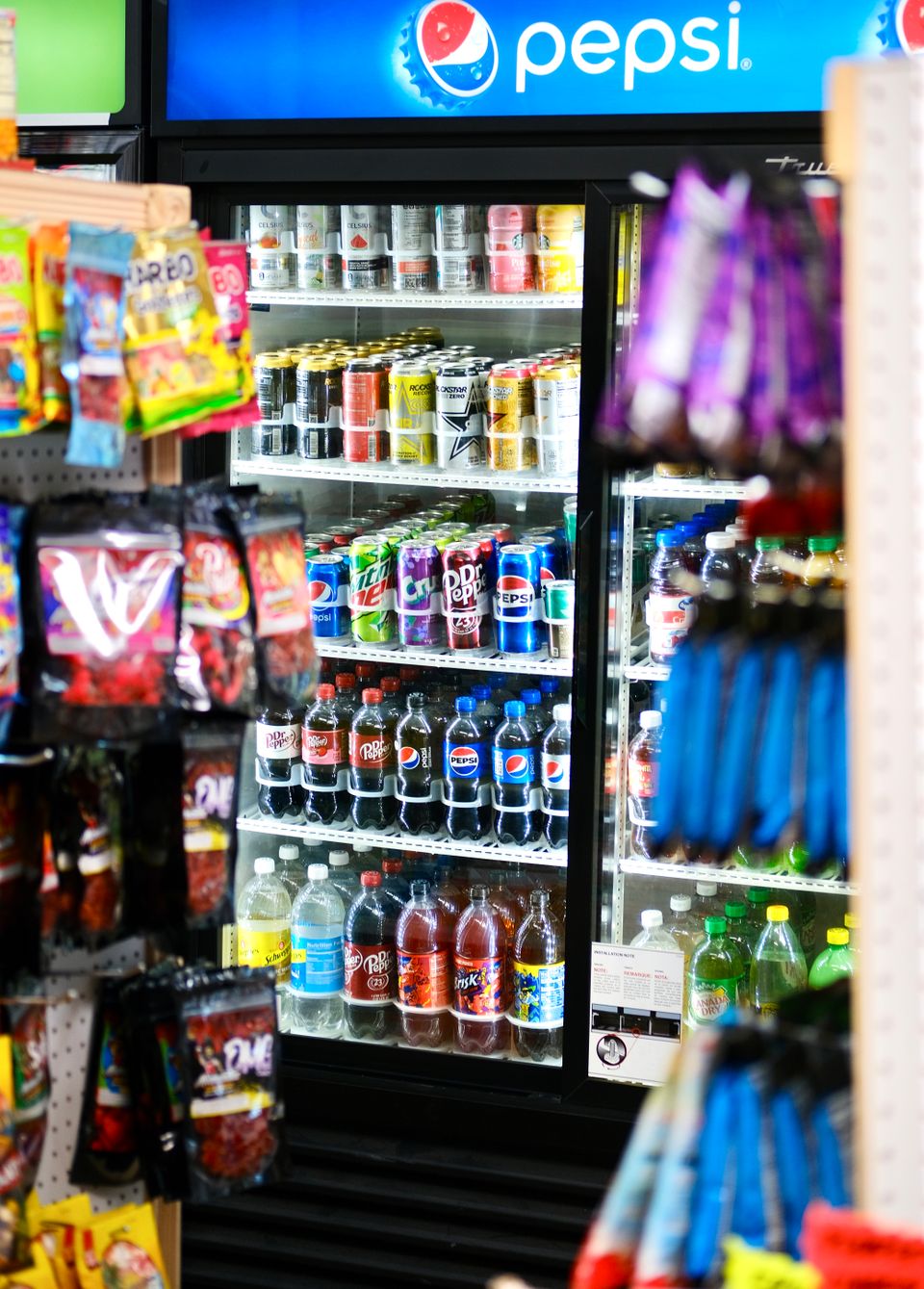
So, which should your convenience store stock?
National evidence currently gives Pepsi Max a strong position, and Coca-Cola Zero is also growing. That makes the practical answer start with the lines your shoppers request, compare both if you have space, and give additional facings to the product delivering the best repeat sales and gross profit in your store. Use the latest national figures as context, not a substitute for till data. If you are opening a new shop with no history, test the standard 330ml cans first, then adjust the split according to what customers actually buy.
For any wholesale enquiry, record the exact variant, caffeine or sugar-free designation, case format, number of cases, label requirements and delivery postcode. TRIMAYU’s currently published main product range focuses on energy drinks; any Pepsi Max or Coca-Cola Zero supply request should therefore be treated as an availability enquiry, not an advertised stock offer. You can contact TRIMAYU’s trade team with your specific requirements, and only make a purchasing decision when product availability, packaging, price, stock dates and delivery terms have been confirmed in writing.
Sources and editorial method: brand product details from Pepsi UK and Coca-Cola GB; YouGov UK consumer consideration analysis dated October 2026; NIQ grocery-market sales figures reported September 2026; GOV.UK VAT guidance. All unit-cost calculations and store sales examples are illustrative. Reviewed 12 November 2026.